How a Roof Inspection Can Keep Your Home Insurable Past 15 Years
Sep 18, 2026
Is Your Jupiter Roof Past 15? How an Inspection Keeps Your Home Insurable
The renewal packet usually looks harmless. Then you reach the line about your roof’s age, followed by a request for a roof condition report, or worse, a nonrenewal date already printed.
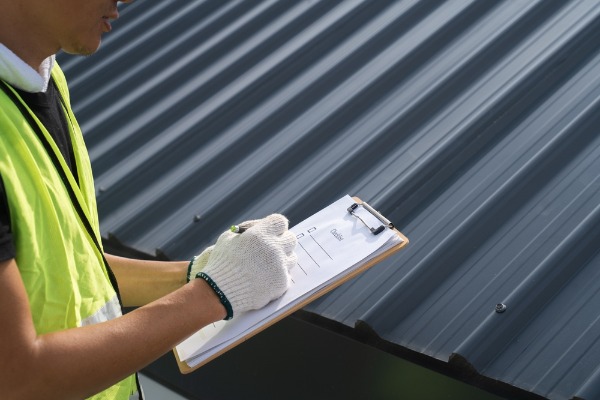
We see that letter on kitchen counters across Jupiter every month. Homeowners in Abacoa, Jupiter Farms, and the neighborhoods off Indiantown Road hand it to us with one question: do I need a new roof, or do I need proof? In many cases, the answer is proof. A roof inspection in Jupiter, FL, performed by a licensed professional and documented the way Florida carriers expect, can show that a 16-, 18-, or 20-year-old roof still has years of service left. At CR3 American Exteriors, we inspect shingle, tile, and metal roofs throughout northern Palm Beach County, and we write reports for exactly this situation.
Below, we lay out what Florida law actually says, what our inspectors check on an older roof, how Jupiter’s salt air and storm seasons factor into the verdict, and what you can do this year to keep your policy in place.
Why Florida Insurers Start Asking Questions When a Roof Turns 15
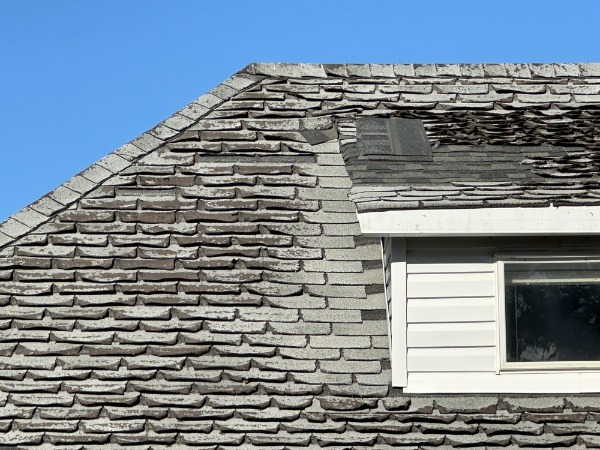
Insurers focus on the 15-year mark because that is where Florida’s automatic age protection ends. Before 15, a carrier cannot drop you off for roof age alone. After 15, it can ask for proof of condition.
The roof is also the first part of your house a hurricane tests. When wind gets under a shingle tab or lifts a ridge cap, water follows, and the claim grows from a roof problem into a drywall, insulation, and flooring problem. Underwriters know this. So they use roof age as a quick filter for risk.
Here is the part most homeowners miss. Age is a filter, not a verdict. Carrier guidelines vary widely. Some carriers set a cutoff for shingle roofs near 15 years. Others extend tile and metal roofs to 25 or 30 years. Many simply want a signed report showing the roof’s current condition and its estimated remaining useful life. If a private carrier does drop you, Citizens Property Insurance Corporation, the state’s insurer of last resort, applies its own roof eligibility rules, so a clean, current report helps there as well.
Asphalt shingles are typically rated for 20 to 25 years. Concrete and clay tile can last 40 to 50 years. Standing-seam metal often goes longer. A 17-year-old tile roof and a 17-year-old shingle roof are very different risks, and a proper inspection lets you show your carrier which one you have.
What Florida Statute 627.7011 Says About Roofs 15 Years and Older
Florida Statute 627.7011(5) gives you a specific right. If your roof is 15 years or older, you can hire an authorized inspector, at your own expense, to evaluate it. If that inspection shows at least five years of remaining useful life, your insurer cannot refuse to issue or renew your homeowners policy solely because of the roof’s age.
This protection came out of Florida’s 2022 property insurance reforms. It applies to policies issued or renewed after July 1, 2022. For roofs under 15 years old, the statute goes further: carriers cannot refuse to write or renew based on age alone, period.
A few details matter when you put the law to work.
- How roof age is counted. The clock starts on the last date 100% of the roof surface was replaced under the applicable building code. A patch, a partial reroof, or the day you closed on the house does not reset it.
- Who can sign the report. The statute requires an inspector approved by your insurer. Depending on the carrier, that may include a licensed roofing contractor, home inspector, building code inspector, general, building, or residential contractor, professional engineer, or architect. Confirm the inspector is acceptable to your carrier before booking.
- What “solely” means. The law blocks age-only decisions. A carrier can still decline a roof that shows active leaks, storm damage, or failed components.
- Where to find your date. Homes inside town limits pull permits through the Town of Jupiter Building Division. Much of Jupiter Farms sits in unincorporated Palm Beach County, so those records live with the county’s building division.
Lawmakers tried to expand these protections in 2026. House Bill 815 and Senate Bill 808 would have extended the rule to more residential policy types and added a standard for low-slope roofs. Both bills died in committee in March 2026. The existing law stands as written, which means the five-year certification remains your strongest tool.
How Jupiter’s Coastal Weather Ages a Roof Faster Than the Calendar
A roof in Jupiter does not age the way a roof in Ohio does. Five local conditions do most of the damage, and our inspectors look for each one.
Salt air. Homes near the Jupiter Inlet, along the Loxahatchee River, and east of U.S. 1 sit in a steady salt spray. Salt corrodes exposed fasteners, drip edges, and flashing. On metal roofs, it attacks cut edges and screw heads first.
UV exposure. The South Florida sun bakes asphalt shingles year-round. Heat dries out the asphalt, granules loosen, and the mat underneath begins to show. We often find the south- and west-facing slopes a full condition grade behind the north side of the same roof.
The rainy season. From roughly late May through October, afternoon thunderstorms build inland and push toward the coast almost daily. Palm Beach County averages around 60 inches of rain a year. Every soaking test flashes valleys and pipe boots.
Humidity and shade. Black streaks on Jupiter roofs are usually algae, not dirt. Under the live oaks and pines in Jupiter Farms, moss and debris also hold moisture against shingles and tile. Left alone, that moisture shortens the life of the materials underneath.
Hurricanes. Frances and Jeanne made landfall within three weeks of each other in September 2004, just up the coast near Hutchinson Island. Wilma followed in 2005. A wave of Jupiter roofs was replaced in the years after those storms. Those roofs are now 20 years old, which is why so many local homeowners are receiving the same renewal letters right now.
Tile roofs deserve a special note. The tile itself often looks fine at 20 years. The underlayment beneath it, which actually keeps water out, may be near the end of its rated life. A careful inspection checks both layers, because an insurer’s inspector or adjuster will.
What Our Inspectors Check on a 15-Plus-Year Roof
A remaining-useful-life report is only as credible as the inspection behind it. Our process covers the roof surface, the components that seal it, and the structure beneath it.
On the surface, we document material-specific wear:
- Asphalt shingles: granule loss, curling or cupping, cracked tabs, failed seal strips, and exposed fiberglass mat
- Concrete or clay tile: cracked, slipped, or missing tiles; loose ridge and hip pieces; failed mortar or foam adhesive; and underlayment visible through breaks
- Metal: backed-out fasteners, dried sealant at screw heads, seam separation, and rust at panel edges
Next come the components where most leaks actually start. We check wall and step flashing, valleys, skylight curbs, and drip edges. We look closely at plumbing vent boots, since their rubber collars tend to crack under Florida UV long before the roof covering wears out.
Then we look underneath. From the attic, we check for water staining, daylight around penetrations, damp insulation, and soft or delaminating decking. We also note ventilation, because a hot, poorly vented attic cooks shingles from below. Clear the path to your attic hatch before the visit, since a closet packed with boxes can hold up this step.
Every finding is photographed and dated. The final report states the roof type, its documented age, the observed condition of each key component, and our estimate of remaining useful life. We complete it on the form your carrier asks for, because a well-written report on the wrong form can still bounce back.
If the roof does not have five years left, the report says so. We would rather give you an accurate answer early than have an adjuster find the problem later.
Wind Mitigation and 4-Point Reports: The Two Documents That Travel With Your Roof
Your roof report rarely goes to your carrier alone. In Florida, two other inspections often ride along, and both lean heavily on roof information.
The wind mitigation inspection uses the state’s Uniform Mitigation Verification Inspection form, OIR-B1-1802. It records features that reduce hurricane damage: roof covering, roof deck attachment, roof-to-wall connections such as clips or straps, roof shape, secondary water resistance, and opening protection like shutters or impact windows. Each qualifying feature can earn a windstorm premium credit. The form is generally valid for up to five years.
The 4-point inspection covers the roof, electrical, plumbing, and HVAC systems. Many carriers require it for homes roughly 25 to 30 years old or older. Plenty of Jupiter homes built during the 1980s and 1990s growth boom now fall into that window. The roof portion asks for age, condition, and remaining life, the same questions our report answers.
Our advice is simple. Get these reports lined up before your renewal, not after the letter arrives. When the roof age and condition match across all three documents, underwriters have fewer reasons to send follow-up requests. When they conflict, expect delays.
A hip roof with clips and a sealed deck can also earn larger credits than a gable roof without them. If you are already reroofing, ask about those upgrades during the project, since they are far simpler to add while the deck is exposed.
Repair or Replace? How Florida’s 25% Rule Changes the Math

Not every borderline roof needs replacing. Florida’s 2022 reforms also changed the old 25% rule, and the change helps owners of newer roofs.
Under the older rule, repairing more than 25% of a roof section within 12 months could force the entire section to be brought up to current code. Now, if your roof was built under the 2007 Florida Building Code or later, which took effect March 1, 2009, only the repaired portion must meet current code. Roofs permitted before that date still fall under the older standard.
In practice, this opens a middle path. Targeted roof repair, such as resetting slipped tiles, replacing cracked vent boots, resealing flashing, or swapping a run of lifted shingles, can move a roof from “questionable” to a clean five-year certification. We see it often on tile roofs where a handful of broken pieces and one tired valley were the only real problems.
There are times when repair is the wrong call. If the underlayment has failed across large areas, if the decking is soft in several spots, or if a pre-2009 shingle roof needs work across most of its surface, patching only delays the bill. In those cases, we will tell you plainly and show you the photos that support it.
When replacement is the right answer, the timing can work in your favor. A new roof resets the age clock, and Jupiter’s drier months, roughly December through April, usually offer the most predictable installation weather.
What to Do the Week a Roof-Age Letter Arrives
Act fast, but do not start with a replacement quote. Start with information. Here is the order we walk our customers through:
- Read the deadline. Note whether the carrier wants documentation by a specific date or has already set a nonrenewal date. Those are different situations with different timelines.
- Confirm your roof’s true age. Pull the reroof permit. If the carrier has the wrong year on file, a permit record alone may settle the issue.
- Call your agent. Ask which inspection form the carrier accepts and whether it also wants a 4-point or an updated wind mitigation report.
- Book an authorized inspection. Choose an inspector who will document the roof on that exact form, with dated photos.
- Fix what the report flags. If a few items stand between your roof and a five-year rating, handle those first, then have the report updated to reflect the work.
- Submit everything in writing. Keep copies of what you sent and when. If a carrier still nonrenews on age alone after receiving a valid certification, the Florida Department of Financial Services consumer helpline is your next call.
Homeowners who follow this order rarely end up replacing a roof they did not need to replace.
A Seasonal Maintenance Plan Built Around Jupiter’s Weather
The easiest roof to certify at year 18 is one that has been looked after since year one. Consistent roofing maintenance is what keeps a roof in the condition an inspector can sign off on.
Here is the rhythm we recommend for Jupiter homes:
- April to May: Clear gutters and downspouts before the rains start. Trim branches hanging within six feet of the roof. Check vent boots and flashing for cracks.
- June 1: Hurricane season begins. Photograph every slope of your roof from the ground and store the images with your policy documents.
- After any named storm or severe squall: Walk the yard and look for lifted shingles, displaced tiles, or debris on the roof. Call for an inspection if anything has moved. Stay off the roof yourself, especially tile.
- Late November: Once the season closes on November 30, schedule a professional inspection to catch damage from the summer’s storms.
- Every one to two years: Have algae and moss removed with a soft wash, never a high-pressure washer, which strips granules and cracks tile.
Keep a single folder for your roof. Include the reroof permit, contractor invoices, inspection reports, wind mitigation forms, and your storm photos. When a carrier asks for documentation, that folder can turn a 30-day scramble into a same-day reply.
Why Jupiter Homeowners Choose CR3 American Exteriors
When your coverage depends on a single report, who writes it matters. Our inspectors know how coastal Palm Beach County weather wears down each roof type, and we treat every inspection as a document your insurer will scrutinize line by line. Here is what our customers can expect from us:
- America’s First Choice for Exteriors®
- Residential and commercial exterior specialists
- Our exclusive Dollar Back Nail Guarantee®
- Certified, experienced installation professionals
- Premium products from trusted manufacturers
- Comprehensive exterior inspections
- Honest recommendations tailored to your property’s needs
- Financing options available for qualified customers
- Insurance claim assistance following qualifying storm events
- Clear communication from consultation through project completion
- Respectful crews who maintain clean, organized job sites
- Long-term solutions focused on protecting your investment
Frequently Asked Questions
Can my insurer drop me just because my roof is 15 years old?
Not if an authorized inspector certifies at least five years of remaining useful life. Florida Statute 627.7011(5) bars carriers from refusing or nonrenewing on roof age alone once that certification is provided.
Does a partial reroof reset my roof’s age?
No. Florida counts roof age from the last time 100% of the roof surface was replaced under code.
How do I find out exactly how old my roof is?
Look up the reroof permit through the Town of Jupiter Building Division, or through Palm Beach County if you live in an unincorporated area like much of Jupiter Farms. Your closing documents or seller’s disclosure may also list the date.
My tile looks fine. Why would a tile roof fail inspection?
The underlayment beneath the tile does the waterproofing, and it usually wears out decades before the tile does. Cracked tiles, loose ridge caps, and failed adhesive are also common findings.
What are the black streaks on my roof, and do they hurt my report?
They are typically airborne algae that thrive in Jupiter’s humidity. Heavy growth can hold moisture and hide wear, so we recommend a soft wash before your inspection.
Should I get my roof inspected after a storm even if I see no leaks?
Yes. Lifted shingles and cracked tiles often leak weeks later, and documenting damage early supports any claim you may need to file.
How long is a roof condition report good for?
Each carrier sets its own window for how recent a report must be. Ask your agent before booking so the inspection date lines up with your renewal.
Will my insurer send its own inspector anyway?
Some carriers do, especially after a policy change or a claim. A detailed, photo-backed report of your own gives you a record to compare against theirs if the findings differ.
Get Your Roof’s Remaining Life Documented Before Renewal Season
That renewal letter on your counter does not have to mean a new roof. Florida law gives you the right to prove your roof’s condition, and a thorough inspection is how you exercise it. For many Jupiter homes reroofed after the 2004 and 2005 storms, an accurate report, a few targeted fixes, and good records are what stand between a renewed policy and an unplanned replacement. The deciding factor is usually documentation: a permit date, a set of dated photos, and a signed remaining-life estimate on the form your carrier requested.
Waiting carries its own risk. The closer you get to a nonrenewal date, the fewer options you have, and storm season does not pause for paperwork.
Call CR3 American Exteriors today to book your roof inspection. We will walk every slope, document what we find, and give you a straight answer about how many good years your roof has left.