10 Roof, Siding, Window, and Gutter Upgrades That Pay for Themselves Over Time
Sep 18, 2026
Exterior upgrades pay you back in three ways. Some return most or all of their cost when you sell your home. Some lower your heating and cooling bills every month. Some stop water damage before it spreads into framing, drywall, and the foundation. The upgrades worth doing first are the ones that pay back in two or three of those ways at once.
The numbers support this. Zonda’s 2025 Cost vs. Value Report found that fiber cement siding replacement returned about 114% of its cost at resale, based on national averages, and vinyl siding returned about 97%. On the energy side, the EPA’s ENERGY STAR program estimates that homeowners who air seal and add insulation save an average of 15% on heating and cooling costs.
Below are ten upgrades, what each one returns, and how to tell whether your home needs it now or can wait. Central Ohio’s weather plays a big part in that decision. Columbus averages about 41.5 inches of precipitation and roughly 28 inches of snow a year, so water control and freeze-thaw resistance decide which projects pay off fastest when you’re weighing home exterior repair in Columbus, OH.
How an Exterior Upgrade “Pays for Itself”
Very few projects hand back every dollar on the day you sell. Payback usually comes from three sources added together:
- Resale value. This is what buyers will pay for the improvement when you list your home.
- Lower energy use. These savings build up every month you live there.
- Damage you avoid. A roof leak caught early is a small fix. A leak caught after two winters often means new decking, insulation, and drywall.
Here is how the major exterior projects compared on resale value in the latest national Cost vs. Value data:
| Project | Estimated Cost Recouped at Resale (2025 National Average) |
| Siding replacement, fiber cement | 114% |
| Siding replacement, vinyl | 97% |
| Window replacement, vinyl | 76% |
| Window replacement, wood | 70% |
| Roof replacement, asphalt shingles | 68% |
| Roof replacement, metal | 50% |
These are national averages. Your actual return depends on your local housing market, your home’s condition, and how long you stay after the work is done. A roof that returns 68% at resale can still be the best money you spend if the old one is about to start leaking.
One change is worth knowing before you budget. The federal Energy Efficient Home Improvement Credit (Section 25C), which covered part of the cost of qualifying windows, doors, and insulation, ended for projects placed in service after December 31, 2025. It was cut short by the One Big Beautiful Bill Act. Utility rebates and local programs may still apply, so check with your energy provider before you buy.
Roof Upgrades
1. Replace an Aging Roof Before It Starts Leaking
A roof near the end of its life costs you money in ways that don’t show up on a bill. Water gets in slowly, soaks attic insulation so it stops working, and rots the wood decking underneath. By the time a stain shows up on a bedroom ceiling, the damage usually goes well past the shingles.
Buyers and their agents notice roofs. In the National Association of Realtors’ 2025 Remodeling Impact Report, new roofing ranked among the projects agents most often recommend homeowners finish before listing, and it earned a perfect “Joy Score” from homeowners who completed it.
Signs it’s time to replace instead of patch:
- Shingles that are curling, cracking, or missing in more than one area
- Heavy shingle granules collecting in gutters or at downspout outlets
- Soft or sagging spots along the roofline
- Daylight or water stains visible from the attic
If only one area is damaged and the rest of the roof is in good shape, a repair is often the smarter choice. A roof with problems in several places usually isn’t worth patching again and again.
2. Add Ice and Water Barrier at the Eaves and Valleys
Ice dams form when heat escaping from your living space melts snow on the upper roof. The water runs down and refreezes at the colder edge. The ice builds a ridge, and meltwater backs up under the shingles. With Columbus winters bringing measurable snow on about 28 days a year on average, plus repeated thawing and refreezing, ice dams are a common cause of leaks along exterior walls and ceilings near the roof edge.
An ice and water barrier is a self-sealing membrane installed under the shingles at the edges and in the valleys, where water collects. The International Residential Code, the model code most states base their home building rules on, calls for an ice barrier in areas with a history of ice dams. It runs from the roof edge to at least 24 inches inside the exterior wall line. Your local building department sets the final requirement.
The membrane costs little compared to the whole roof, and it’s far easier to install during a replacement than at any other time. If you’re replacing your roof anyway, confirm it’s in the plan.
3. Fix Attic Ventilation and Insulation While the Roof Is Open
Your roof and attic work as one system. Poor ventilation traps heat and moisture in the attic. Thin insulation lets your furnace’s heat escape into the attic in winter, which is the main cause of the ice dams described above.
ENERGY STAR estimates that sealing air leaks and adding insulation in attics, over crawl spaces, and at basement rim joists saves homeowners an average of 15% on heating and cooling costs, or about 11% on total energy costs. The agency also lists fewer ice dams among the benefits. A quick check: if the insulation in your attic sits level with or below the tops of the floor joists, you likely need more.
This upgrade pays back month after month, and it helps a new roof last longer. Those are two returns from one project.
Siding Upgrades
4. Replace Worn Siding With Fiber Cement
Fiber cement is a siding board made from cement, sand, and wood fibers. It looks like painted wood but needs less upkeep than real wood. It had the highest return of any siding material in the 2025 Cost vs. Value data at about 114%, with an average national job cost a little over $21,000.
Fiber cement still needs some upkeep. According to Consumer Reports, it has to be repainted from time to time, but less often than real wood. It also needs careful sealing at joints and around windows and doors, where water tends to get in.
Fiber cement makes the most sense when:
- Your current siding is cracked, warped, rotting, or pulling away from the wall
- You plan to stay in your home for several years or sell in a neighborhood where curb appeal matters
- You want a painted-wood look without the upkeep of real wood
5. Choose Vinyl Siding When Budget and Upkeep Come First
Vinyl siding replacement returned about 97% of its cost in 2025, up from about 80% the year before. Consumer Reports puts the average vinyl job at nearly $18,000, which makes it the lower-cost way to refresh the outside of your whole house.
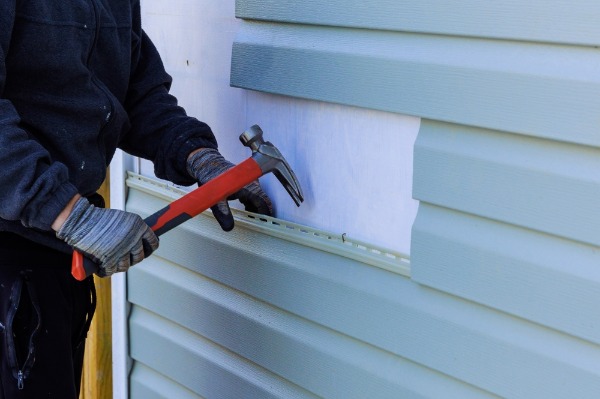
Vinyl’s main advantage is cost. It typically runs a few thousand dollars less than fiber cement for the same house. The tradeoff is that vinyl is a thinner material, so the quality of the panel and the installation both matter. An exterior home remodel that pairs new vinyl siding with new windows or trim often looks more finished than replacing one piece at a time. It can also cost less overall, because the crew opens up your walls only once.
6. Seal the Gaps Around Siding, Trim, and Penetrations
Not every upgrade means replacing something. Many of the biggest energy losses in a home happen at small gaps: where pipes, wires, and dryer vents pass through walls, where trim meets siding, and around window and door frames.
ENERGY STAR notes that if you added up all the leaks and gaps in a typical home’s outer shell, it would equal leaving a window open every day of the year. Sealing them is one of the cheapest upgrades on this list, and the savings start right away.
The same gaps let water in. Consumer Reports points out that siding joints and the areas around windows and doors are where leaks most often start. A few dollars of caulk applied in the right spots can prevent thousands in structural repair.
Window Upgrades
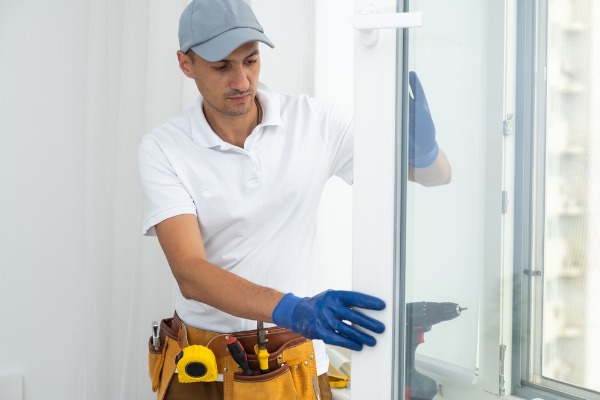
7. Replace Single-Pane or Failing Windows With ENERGY STAR Models
Window replacement pays back more slowly than many homeowners expect, so it helps to know when it’s worth it. Vinyl window replacement returned about 76% of its cost at resale in 2025. The rest of the payback has to come from energy savings and a more comfortable home.
How much you save depends heavily on what you’re replacing:
| What You’re Replacing | Estimated Annual Savings (10 Windows, Northern U.S.) |
| Single-pane windows | About $568, or 12% of heating and cooling costs |
| Double-pane, clear-glass windows | About $282, or 6% of heating and cooling costs |
Figures are EPA estimates for the ENERGY STAR Northern zone, as reported by Consumer Reports.
If your home still has single-pane glass, new ENERGY STAR windows make a real difference in both your bills and how warm your rooms feel in January. ENERGY STAR estimates savings of up to 13% on average nationwide when replacing single-pane windows. If you already have double-pane windows in decent shape, replacement is harder to justify on energy alone. Replace them when you have other problems: rotted frames, fogging between the panes, sashes that won’t open or lock, or drafts you can feel from the couch.
When you shop, look for both the ENERGY STAR label and the NFRC (National Fenestration Rating Council) label. Make sure the window is certified for your ENERGY STAR climate zone.
8. Add Low-E Storm Windows When Replacement Isn’t the Right Fit
Some older homes have original windows worth keeping, or a full replacement isn’t in this year’s budget. Low-E storm windows are a second pane mounted over the existing window. The glass has a thin coating that reflects heat back into the room in winter.
ENERGY STAR estimates that certified low-E storm windows installed over single-pane clear glass save homeowners about $350 a year on heating and cooling, or roughly 10%, based on national averages. That’s a large share of the savings from full replacement for much less money. Storm windows work best on older homes with single-pane glass and sound frames.
Gutter Upgrades
9. Size Gutters and Downspouts for the Water Your Roof Actually Sheds
Gutters move far more water than most homeowners realize. One inch of rain on one square foot of roof equals about 0.623 gallons, according to the University of Arizona Cooperative Extension. Apply that to a house with a 1,500-square-foot roof footprint and Columbus’s average of about 41.5 inches of yearly precipitation, and your gutters handle roughly 38,000 gallons a year.
When gutters are too small, clogged, or pitched the wrong way, that water spills over the edge and lands right next to your foundation. Over time, it can lead to:
- A wet basement or crawl space
- Soil washing away near the foundation
- Rotting fascia boards behind the gutter
- Ice buildup at the roof edge in winter
The upgrade that pays back here is often simple. Use gutters sized for your roof’s area and slope, enough downspouts to drain them, and extensions that carry water several feet away from the house. Gutter guards can cut down on clogs if your yard has a lot of trees, but they still need occasional checks.
10. Repair Fascia, Soffits, and Flashing Before the Damage Spreads
Fascia is the board along the roof edge that holds your gutters. Soffits are the panels under the overhang. Flashing is the metal that seals joints around chimneys, dormers, and roof valleys. All three are small parts of your home’s exterior, and all three are where water damage tends to start.
A soft fascia board, a bent piece of flashing, or a soffit panel hanging loose is usually an inexpensive fix when caught early. Left alone, it lets water into roof decking and wall framing, and a small repair becomes a large one. This is the clearest example of an upgrade paying for itself through damage you avoid. Many residential exterior services include these checks as part of a roof or gutter visit, so ask about them whenever someone is already on a ladder at your house.
Which Upgrade Should Come First?
If you can’t do everything at once, start with whatever is letting water into your home. Water damage grows over time. Energy losses stay about the same.
| What You’re Seeing | Upgrade to Look At First | Why It Comes First |
| Ceiling stains, damp attic, missing shingles | Roof repair or replacement | Active leaks damage insulation, decking, and the rooms below |
| Icicles and ice ridges at the roof edge | Attic insulation, ventilation, and ice barrier | Ice dams push meltwater under shingles |
| Water pooling near the foundation | Gutter sizing and downspout extensions | Foundation and basement problems are expensive to fix |
| Cracked, warped, or loose siding | Siding replacement | Openings let water reach the wall framing |
| Drafts and cold rooms, single-pane glass | Windows or low-E storm windows | Steady energy savings plus comfort |
| Soft fascia or loose soffit panels | Fascia, soffit, and flashing repair | Small fixes stop bigger rot from spreading |
Frequently Asked Questions
Do exterior upgrades raise my property taxes?
They can, because improvements that add market value may raise your home’s assessed value. Your county auditor’s office can explain how improvements are handled locally.
Is it cheaper to do the roof and siding at the same time?
Often, yes. Combining projects means one setup, one cleanup, and one round of trim and flashing work where the two meet. It also lets the crew seal the joints between your roof and walls correctly from the start.
Will a new roof lower my homeowners insurance premium?
Some insurers adjust rates based on roof age or material, but policies vary widely. Call your agent before the project to ask what documentation they need afterward.
How do I know if storm damage to my home is covered?
Coverage depends on your policy and the cause of the damage. Document the damage with photos right away and contact your insurer to start a claim before making permanent repairs.
Planning Your Next Exterior Project With CR3 American Exteriors
The upgrades that pay for themselves are the ones matched to what your home actually needs. That starts with an honest look at the roof, siding, windows, and gutters together. At CR3 American Exteriors, our team specializes in residential and commercial exterior remodeling. Every project begins with a thorough inspection and straightforward recommendations, so you know what needs attention now and what can wait. We install premium roofing and exterior products from trusted manufacturers, and our craftsmanship is backed by the Dollar Back Nail Guarantee®. Financing is available for qualified projects. If storm damage is part of the picture, we can help you with the insurance claim when the damage qualifies. Our crews keep projects organized and your yard clean, and we keep you informed from the first visit to the final walkthrough.
Contact us today to discuss which exterior upgrades are the best fit for your home.