
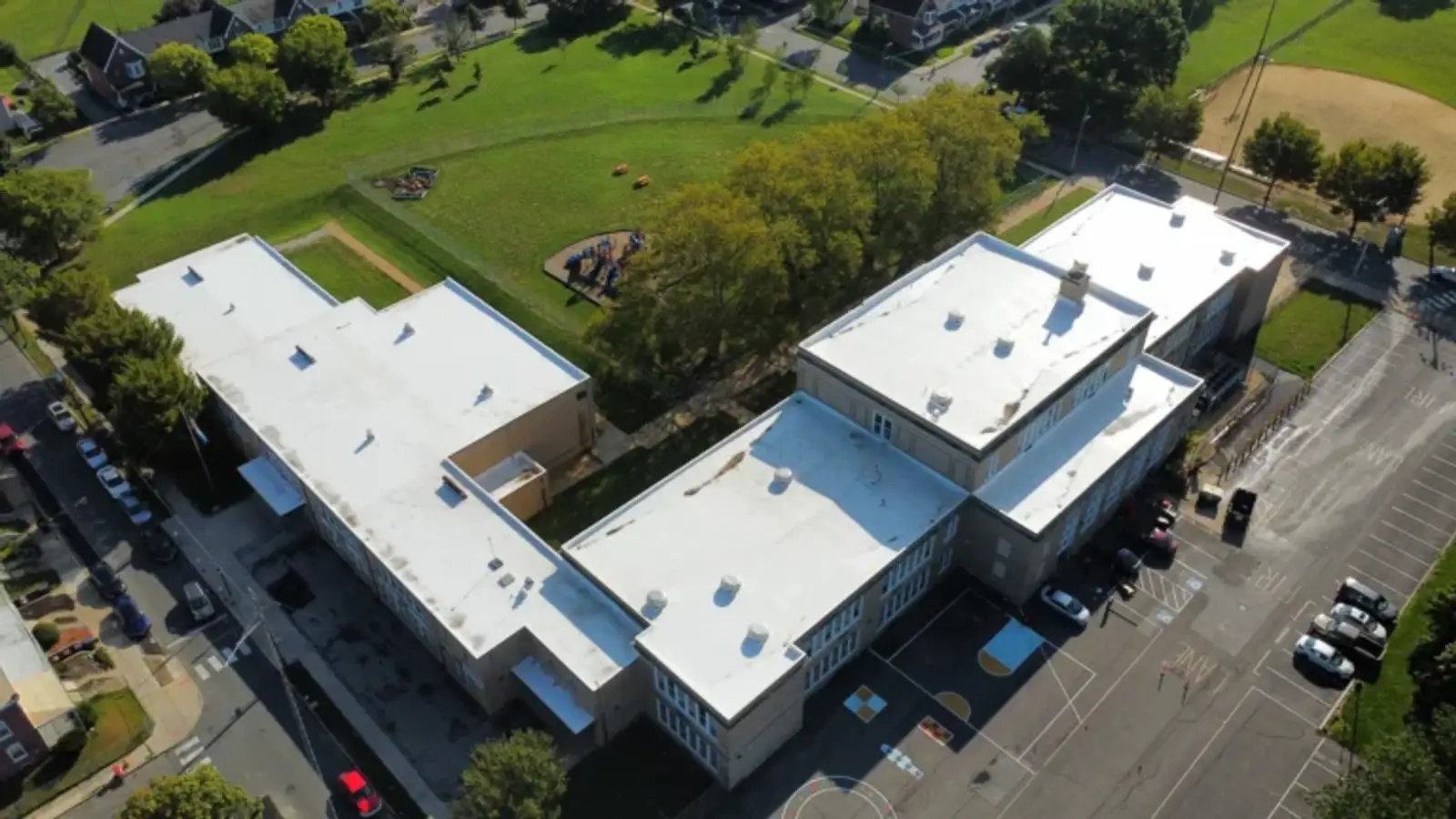
Aerial view of a school building with new white flat roofs, rooftop units and the surrounding parking lot

Home / Commercial

Commercial roofing planned
around your operations

Commercial roof repair, restoration or replacement? Start with an evaluation. We document the roof’s condition and give your team a scope that plans around operations and budget.

  • Documented conditions
  • Defined scope
  • Planned disruption

A recommendation backed by what we found on the roof

What does this building need now and what can safely wait?

A commercial roof decision is rarely about one product. It involves the existing assembly, moisture, drainage, penetrations, tenant or operating needs, access, safety, timing and capital priorities.

We start with how the building is used and what the roof is doing now. The goal is to identify the work that is justified, explain the alternatives and define the consequences of each path.

See the four paths →

Repair, restore or replace?

The cheapest proposal can cost more over time

The right comparison includes remaining service life, recurrence risk, operating disruption, warranty implications and the likelihood of paying twice for overlapping work.

Repair may fit when

  • The condition is isolated and identifiable
  • The surrounding assembly remains serviceable
  • A compatible repair can be completed
  • The repair supports the ownership plan

Restoration may fit when

  • The existing roof is a suitable candidate
  • Wet or failed areas can be addressed
  • Preparation and details are fully scoped
  • Life extension creates measurable value

Replacement may fit when

  • Deterioration is widespread or recurring
  • Moisture or substrate conditions require it
  • Existing limitations cannot be corrected locally
  • Lifecycle economics favor a new assembly

Four paths

Start with the roof’s condition, then pick a product

Begin with the condition of the roof and the outcome the property requires. Then determine which system and scope can deliver it.

A repair, restoration or replacement recommendation should be backed by what is actually on the roof.

See what CR3 evaluates →
  1. 01

    Service & repair

    Address a defined leak, damaged detail or localized condition while documenting what caused it.

  2. 02

    Restoration

    Extend the useful life of a suitable existing roof with targeted repairs and a compatible restoration system.

  3. 03

    Replacement

    Remove or recover an aging system when its condition, performance or economics justify broader work.

  4. 04

    Maintenance & planning

    Track conditions, prioritize repairs and prepare a capital plan before urgency controls the decision.

What CR3 evaluates

The level of investigation should match the building, the decision and the risk. Findings are documented so stakeholders can understand what supports the recommendation.

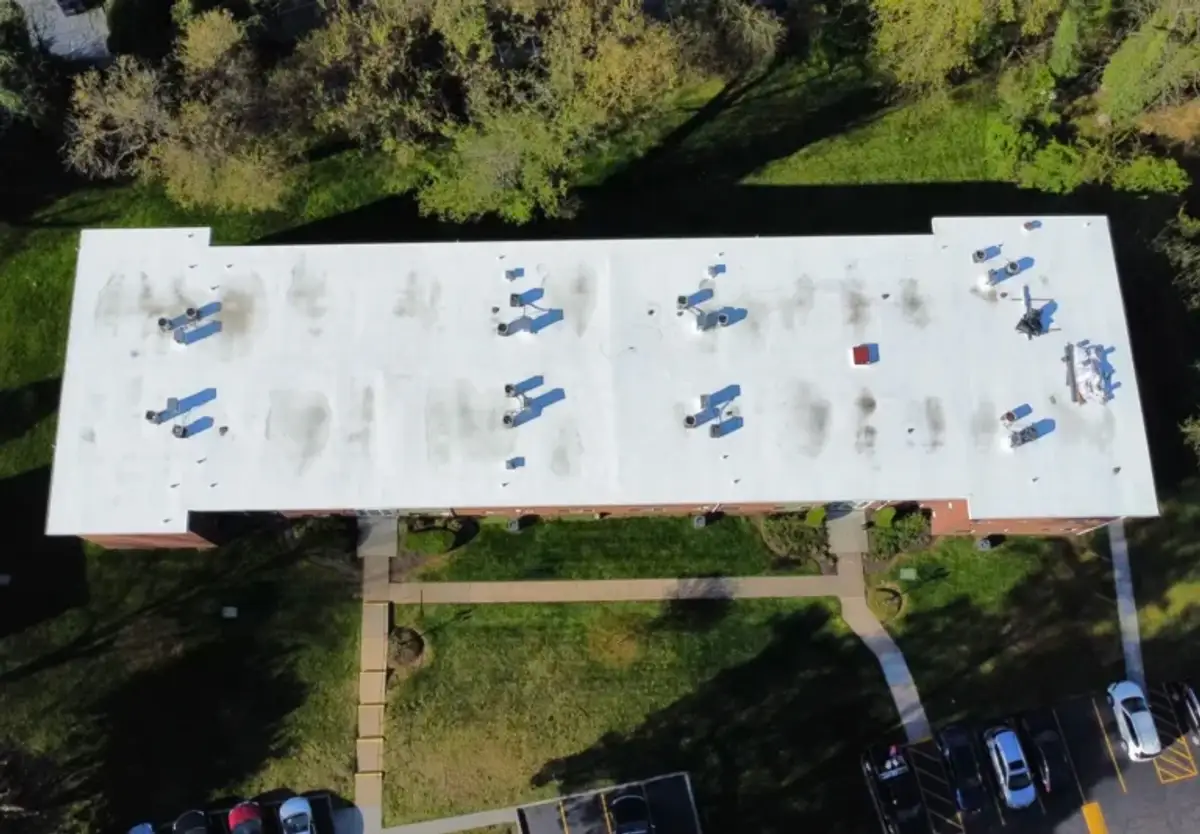
Overhead view of a long white flat roof with vents, rooftop equipment and the entrance walks below
  1. 01

    Existing assembly

    Roof type, age, prior work, visible wear and available construction information.

  2. 02

    Moisture & substrate

    Observable conditions and appropriate testing when more evidence is needed.

  3. 03

    Drainage & details

    Water flow, drains, edges, penetrations, transitions and recurring failure points.

  4. 04

    Operations & access

    Occupancy, equipment, deliveries, safety, staging and hours that affect execution.

  5. 05

    Codes & requirements

    Applicable permits, system requirements and project-specific documentation.

  6. 06

    Ownership priorities

    Budget cycle, hold period, risk tolerance, warranty goals and future plans.

Compare systems only after the path is clear

CR3 evaluates appropriate assemblies on the same practical criteria: compatibility, detailing, expected performance, maintenance, installation impact, warranty and total investment.

Product and system availability varies by building, location and project requirements. A named material alone does not define a complete roofing assembly.

Compare commercial roof systems
  1. 01

    Single-ply membranes

    TPO, PVC and EPDM systems considered around the building, exposure, details and performance priorities.
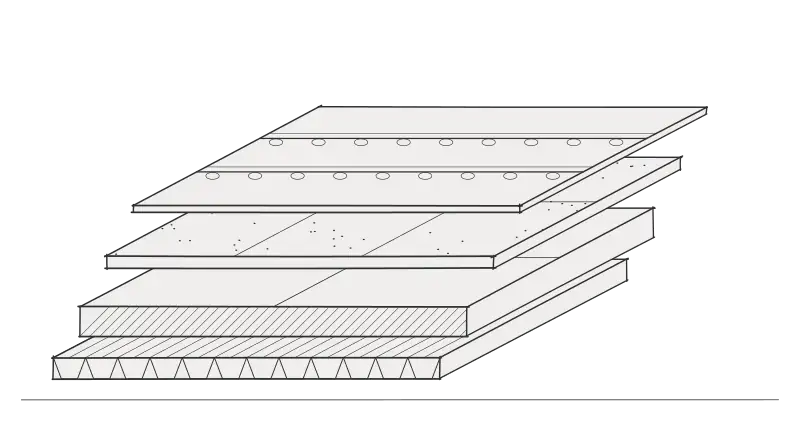
    Exploded drawing of a single-ply roof: steel deck, insulation boards, cover board and a fastened membrane with seams
  2. 02

    Modified bitumen & built-up

    Multi-layer assemblies evaluated for condition, compatibility and the requirements of the existing roof.
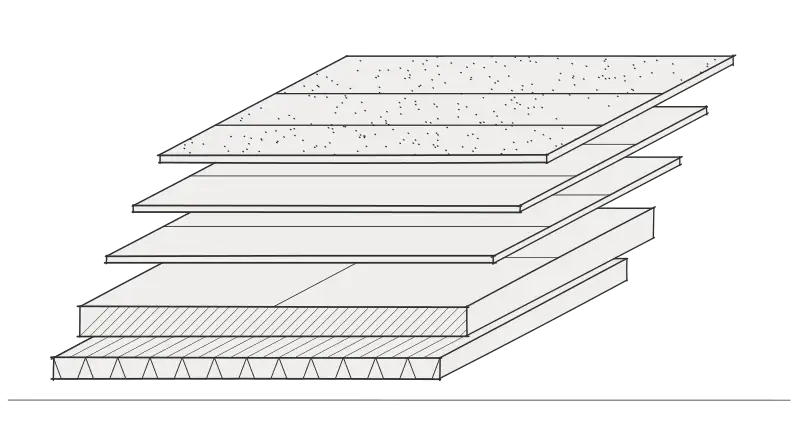
    Exploded drawing of a multi-ply roof: deck, insulation, base and interply sheets and a granulated cap sheet
  3. 03

    Coatings & restoration

    A potential life-extension path only when the existing assembly is a sound candidate and preparation is properly defined.
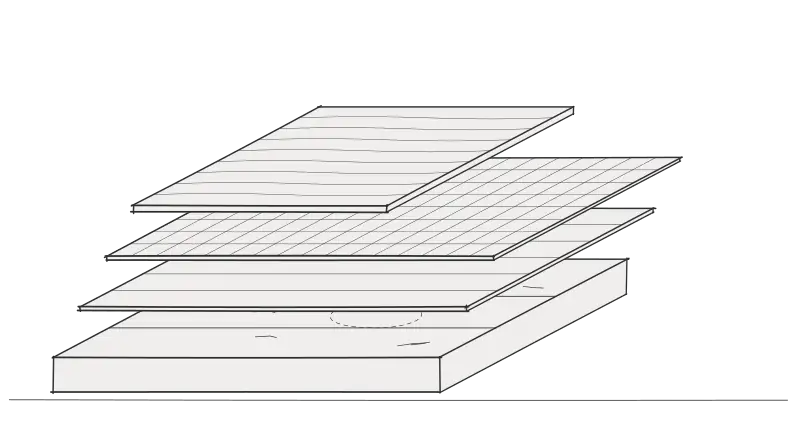
    Exploded drawing of a coating over an existing roof: the existing membrane, primer, reinforcing fabric and coating
  4. 04

    Metal & steep-slope

    Roofing selected for the architecture, slope, transitions, penetrations and long-term ownership plan.
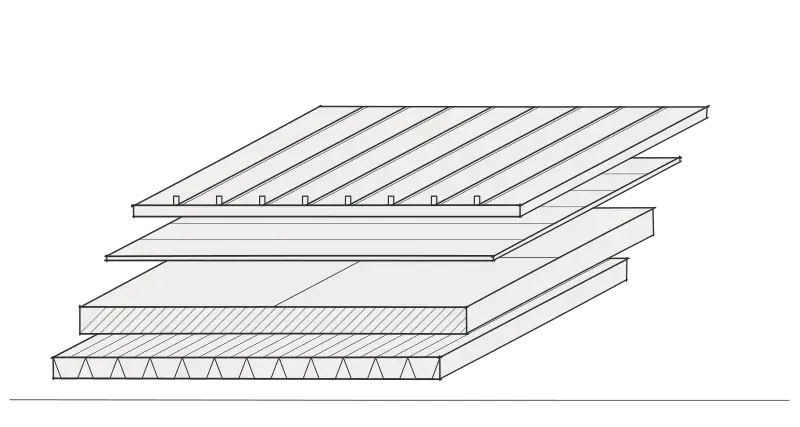
    Exploded drawing of a metal roof: deck, insulation, underlayment and standing-seam panels
Your commercial proposal defines
  • Roof areas included
  • Preparation and removal
  • System components and details
  • Drainage work
  • Access, staging and protection of operations
  • Schedule assumptions
  • Exclusions, allowances and testing
  • Closeout documents and warranty responsibilities

A scope your team can use

A commercial proposal should remove uncertainty

Before approval, your team should be able to identify the roof areas included, preparation and removal, system components, details, drainage work, access and staging, protection of operations, schedule assumptions, exclusions, allowances, testing, closeout documents and warranty responsibilities.

If a condition cannot be known before work begins, the proposal should explain how it will be evaluated, priced and authorized.

Discuss your building →

Know what needs attention this year and what should enter the capital plan

From urgency to asset planning: separate the work that protects the building today from the investment your organization should prepare for.

Now

Control active risk

Address leaks, unsafe conditions and failures that threaten the building or operations.

Next

Prioritize the roof

Separate immediate work from planned repairs and areas that require monitoring.

Later

Prepare the investment

Develop a replacement or restoration plan you can budget for before the decision becomes an emergency.

A commercial project should protect more than the roof

CR3 connects the evaluation, documented recommendation, stakeholder review, operational planning, installation and closeout so the work fits how the building is used.

  1. 01Assess
  2. 02Define
  3. 03Plan
  4. 04Execute
Start with an evaluation →

Request your commercial roof evaluation

Tell us what you know, what the property is experiencing and what your organization needs to plan. CR3 will document the conditions and help your team understand the next decision.

No obligation to make an immediate decision.

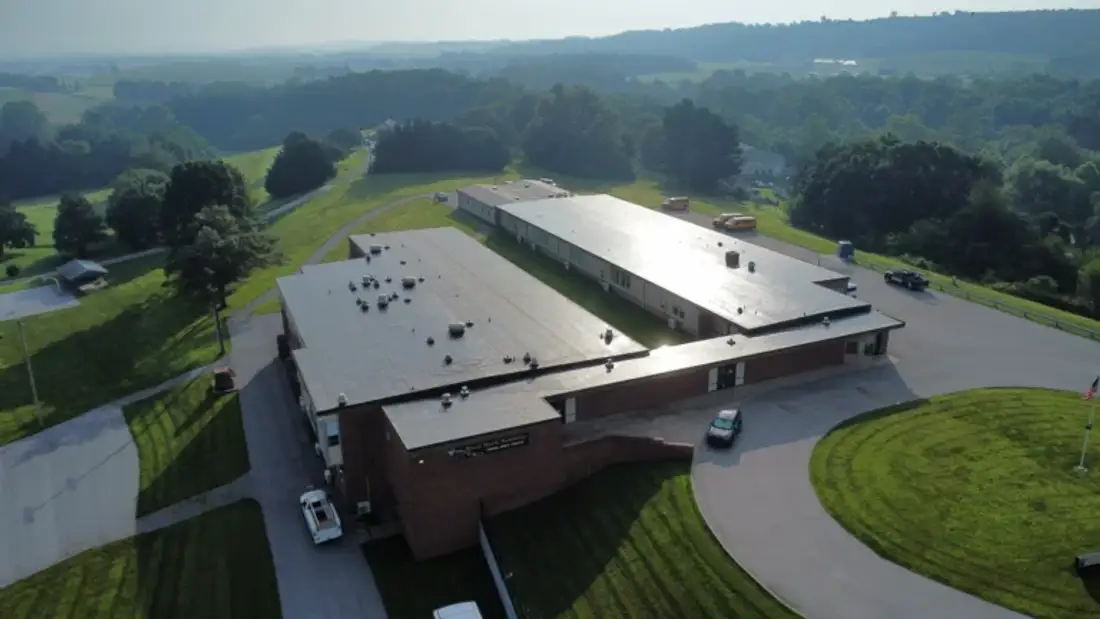
Aerial view of a brick commercial building with dark flat roofs set in rolling green countryside